

Translate the Bing metrics into normal language
In February 2026, Bing Webmaster Tools introduced AI Performance in public preview. Total citations count the times a page served as a source in supported AI experiences. Cited pages identify the URLs involved.
Grounding queries are samples of the searches an AI system used while assembling an answer. Trend data helps compare activity over time.
These metrics help answer which pages were used around which questions. They do not explain why a source was selected, prove greater authority, or connect a citation to revenue. Bing also notes that the data does not represent ranking, authority, or a fixed answer position.
Why one GEO score is not enough
During one website rebuild, automated checks covered URLs, titles, internal links, language relationships, schema, performance, and mobile layouts. Those technical checks passed, but the audit still found too few experience-based, sourced answers to important buyer questions.
Technical compliance and content sufficiency are different. A later increase in citations still cannot skip every intermediate step and become proof of business impact. Keep the data separate instead of hiding it inside one unexplained score.
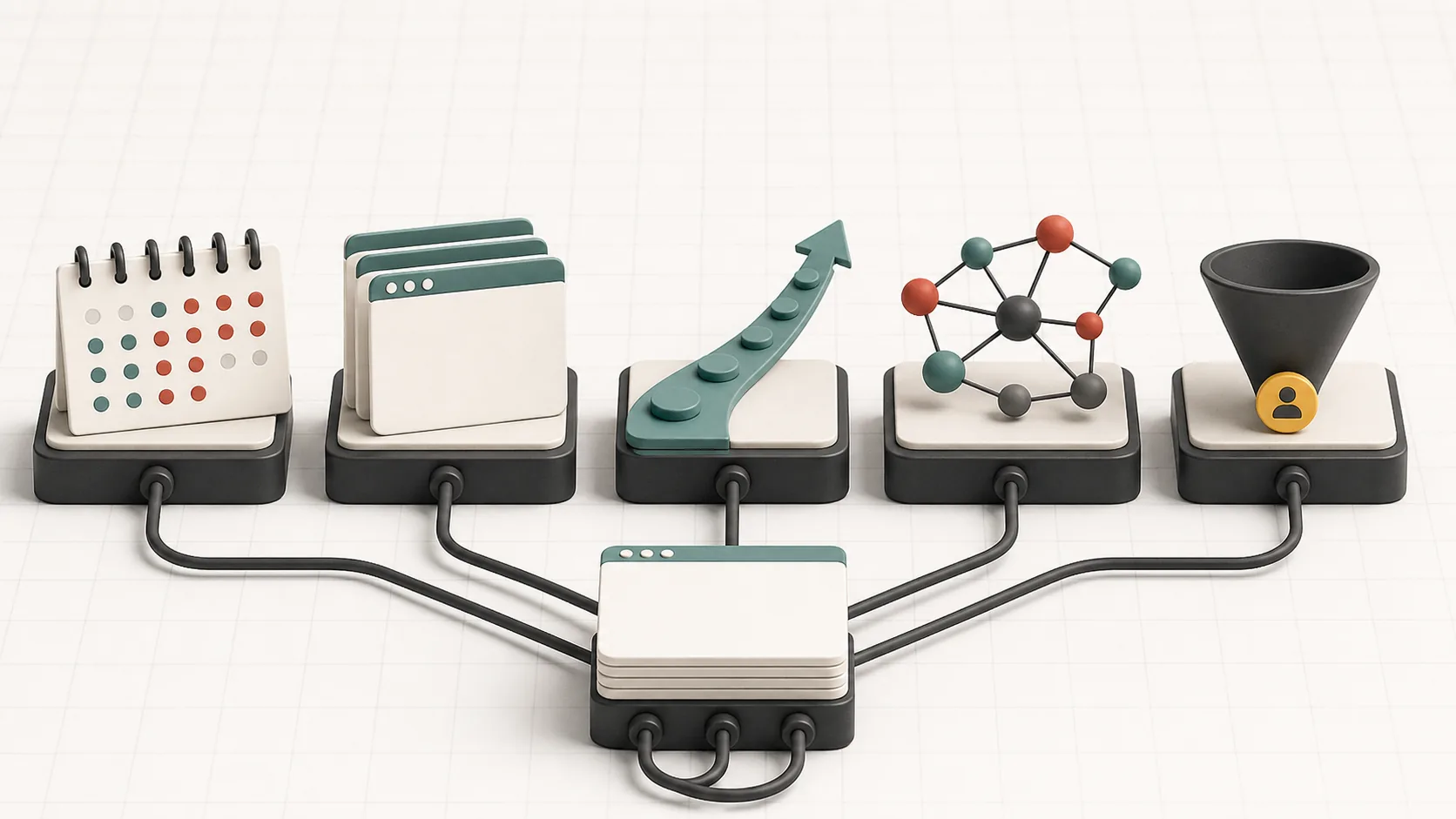
Record 1: what changed this month
List the pages added or revised, buyer questions and company facts clarified, and crawl, schema, or performance defects fixed. Without a change log, later movement is difficult to interpret.
Record 2: whether pages entered search systems
Track pages that can be crawled and indexed, plus pages blocked by robots rules, error statuses, duplicate URLs, or another issue. If a page is not discoverable, asking why it lacks AI citations is premature.
Record 3: how buyers find the pages in search
Review real queries, impressions, clicks, branded and non-branded demand, and target-market geography. This shows whether buyer questions and site content are forming a useful connection.
Record 4: where AI systems use the site
Keep cited pages, trends, query samples, and identifiable AI referral visits separate for each platform. Bing, Google, and ChatGPT do not report the same scope, so their numbers should not be added together.
Record 5: whether qualified leads follow
Capture the landing page, request, customer fit, and whether the conversation advances. If citations rise without useful visits or leads, review topic selection, page content, and the contact path instead of chasing a larger citation count.
A simple page-level review
Suppose a company publishes a guide to multilingual website URLs. At month end, first verify crawling and indexing. Then review the queries where it appeared, check whether Bing reports related citations, and only then ask whether visitors continued to a service page or submitted a request.
A citation without a visit is still a useful signal, but it is not a sale. If crawling failed, fix the technical issue before gambling on another headline.
Do not draw a growth curve before the data is stable
When AI citations do not yet have a sufficiently long and consistently defined history, keep collecting data instead of assembling a growth claim from isolated screenshots. Any future trend should appear with its measurement window, related release record, and limitations so sequence is not presented as causation.
A provider can commit to audits, changes, content, and monitoring. It cannot guarantee that an external platform will cite a page or that one prompt screenshot will turn into a specific number of customers.
Source and boundaries
- Bing Webmaster Blog: Introducing AI Performance in Bing Webmaster Tools Public Preview, published February 10, 2026.
The Bing source defines the platform metrics and their limits. The five-record model, review order, and distinction between technical compliance and content sufficiency come from this site audit and monitoring plan.